

Creating meeting spaces that can handle diverse needs is essential for modern work environments. Whether it's a training session, a brainstorming workshop, or a hybrid meeting, these spaces should allow for quick reconfigurations, support collaboration, and integrate technology seamlessly. Here's what matters most:
- Adjustable layouts: Spaces should transition easily between setups like classroom, theater, or U-shape to suit different meeting types.
- Modular furniture: Lightweight, movable tables and chairs make reconfiguring simple while saving space.
- Integrated technology: Tools like wireless presentation systems, high-speed Wi-Fi, and video conferencing gear ensure smooth collaboration for both in-person and remote participants.
How to create a flexible office space [How to Go Hybrid Series]
Core Elements of Flexible Meeting Spaces
Creating a flexible meeting space means bringing together adaptable layouts, modular furniture, and integrated technology to craft an environment that can shift to meet a variety of business needs.
Adjustable Layouts
The foundation of any flexible meeting space lies in its ability to swiftly transform into different configurations. These spaces can go from a classroom setup for over 30 trainees to a hollow square arrangement for 16–32 collaborators without breaking a sweat.
The secret? Movable elements. Features like sliding walls let you create breakout areas or expand the main room as needed, while open floor plans provide the versatility to accommodate multiple setups. When designing your space, think about how it might need to support different meeting styles throughout the day.
| Layout Style | Best For | Capacity | Key Advantages |
|---|---|---|---|
| Classroom | Training, presentations | 30+ | High capacity, focus on presenter |
| Hollow Square | Workshops, collaboration | 16–32 | Equal visibility, encourages dialogue |
| Theater | Large presentations | 50+ | Maximum capacity, simple setup |
| Banquet | Networking, team-building | 6–10/table | Small group discussion, flexible |
A great example of this is the tactic meeting room at Aloft Trophy Club Westlake in Texas. Their design combines event spaces with lounge areas, offering even more layout flexibility.
Once the layout is set, the next step is ensuring your furniture can keep up.
Modular Furniture
Modular furniture is the second cornerstone of a flexible space. Think mobile tables and chairs with wheels, stackable seating, foldable tables, and movable acoustic panels - all designed to make reconfiguration a breeze.
Look for furniture that can serve multiple purposes. Lightweight materials make it easy to rearrange, while ergonomic designs ensure comfort no matter the setup. This approach not only saves time but also eliminates the need for constant furniture upgrades, helping you maximize both space and budget.
Durability is just as important as flexibility. Modular pieces need to handle frequent moves and reconfigurations without losing their visual appeal, ensuring they continue to represent your organization positively.
Once your physical space is adaptable, the final step is integrating technology to tie it all together.
Technology Integration
The third key element is seamless technology integration that works with any room setup. Wireless presentation systems, reliable Wi-Fi, and digital collaboration tools help you transition effortlessly between formats while supporting both in-person and remote attendees.
Strong infrastructure is a must. Invest in durable cabling and versatile power distribution to accommodate various layouts. Networked AV systems that scale with your needs are also crucial.
Future-proof technology solutions rely on standards-based systems to avoid vendor lock-in and ensure easy upgrades. Movable screens and networked systems adapt to different room configurations, keeping your tech investment relevant as your needs change.
Aloft Trophy Club Westlake demonstrates this perfectly. They provide complimentary wireless internet and free Wi-Fi throughout their spaces, ensuring smooth connectivity no matter where collaboration takes place.
When adjustable layouts, modular furniture, and integrated technology come together, they create meeting spaces that adapt to your needs - giving you the freedom to focus on what matters most.
Layout Design for Different Meeting Types
The success of flexible meeting spaces often hinges on matching the layout to the meeting’s purpose. The right setup can either amplify or hinder your goals, so it’s worth understanding how different configurations shape the dynamics of a meeting.
Common Layout Options
Classroom style works well for large-group presentations, such as training sessions or lectures. Rows of tables facing the presenter create a structured environment that can comfortably accommodate 30 or more participants. However, this setup limits interaction between attendees.
Theater style is perfect for maximizing seating capacity, using only chairs arranged in rows. This layout can accommodate over 50 participants, making it ideal for keynote speeches or large presentations. But since there are no tables, it’s less suited for sessions where note-taking is crucial.
U-shape layouts offer a mix of presentation and interaction. Tables arranged in a U formation encourage participation while maintaining clear sightlines to the presenter. This setup is great for workshops or meetings that require both discussion and structured presentations.
Hollow square arrangements are designed for collaboration. Tables form a complete square, fostering equal participation and making it ideal for brainstorming or workshops with 16–32 attendees. The downside? This layout takes up more space and shifts the focus away from a single presenter.
Banquet style creates smaller, intimate discussion groups within a larger event. Round tables typically seat 6–10 people, making this layout a go-to for networking events, team-building exercises, or meetings focused on small group interaction.
The Tactic Meeting Room at Aloft Trophy Club Westlake is a great example of a space that transitions smoothly between these layouts.
Once you’ve chosen a layout that aligns with your meeting’s purpose, it’s time to think about optimizing the space for functionality and flow.
Space Optimization Tips
After selecting a layout, smart design choices can help you get the most out of your space. Here are some practical tips:
- Plan for flexibility. Start by designing for your largest group, then adjust for smaller gatherings. Modular furniture with wheels or casters makes it easy to reconfigure the room as needed.
- Create activity zones. Use mobile partitions or acoustic panels to divide the room into areas for focused work, collaboration, or social interaction. This approach allows the space to serve multiple purposes simultaneously.
- Maintain clear pathways. Think about how people will move through the space when arranging furniture. Clear walkways improve flow and accessibility.
- Use smart storage solutions. Stackable chairs and foldable tables save space when not in use. Designate storage areas for unused furniture to keep the room adaptable.
- Distribute power and data access. Spread power outlets and network connections evenly across the room. This ensures technology remains accessible no matter how the space is configured. Wireless presentation systems and strong Wi-Fi are essential for seamless transitions between layouts.
At Aloft Trophy Club Westlake, these principles are put into action. Their event space not only accommodates groups of all sizes but can also expand into adjacent areas like the W XYZ Lounge or outdoor spaces for added flexibility.
Don’t forget hybrid meetings. Arrange seating to face shared displays and ensure clear sightlines to cameras for remote participants. With more organizations embracing hybrid work, this consideration is becoming increasingly important.
Furniture Selection for Flexible Spaces
When you're designing a flexible meeting space, furniture is the final piece that ties everything together. While optimized layouts and integrated tech set the stage, the right furniture ensures the room can adapt effortlessly to different needs. It’s not just about looks - furniture plays a critical role in how easily a space can shift between formats.
Key Furniture Features
Mobility is a must. Furniture on casters makes reconfiguring a room quick and easy. Rolling tables and chairs allow you to switch from a theater-style setup to small group discussions in no time. Just make sure they have locking mechanisms to keep everything stable once arranged.
Stackable pieces save space. Chairs that stack and tables that nest are perfect for maximizing storage while keeping unused furniture within reach. Foldable designs take it a step further, making storage even more efficient.
Modular designs offer endless possibilities. Modular furniture lets you build custom setups for any type of meeting. Components that connect seamlessly with universal connectors or magnetic attachments make reconfiguration intuitive, so anyone can adjust the space without special training. A 2023 report found that over 60% of new office furniture purchases in the U.S. are modular or mobile, showing just how important flexibility has become for businesses.
Lightweight yet durable pieces strike the right balance. Furniture that's easy to move but built to last encourages users to adapt the space as needed, avoiding static, one-size-fits-all layouts.
Next, let’s explore how comfort and sustainability further enhance these flexible spaces.
Comfort and Environmental Considerations
Ergonomics matter for focus and productivity. Adjustable chairs with lumbar support and breathable materials ensure comfort during long meetings. Pair these with tables at standard heights - usually 28 to 30 inches - to prevent strain and keep participants engaged.
According to a Gensler survey, 78% of employees prefer meeting spaces with reconfigurable furniture, citing improved collaboration and comfort as major benefits.
Supportive seating accommodates everyone. Chairs with adjustable armrests and back support help people of all body types feel comfortable, no matter the length of the meeting. Offering a variety of seating options within the same space can also cater to different preferences.
Eco-friendly materials align with modern values. Furniture made from recycled materials, sustainably sourced wood, or low-emission finishes not only supports environmental goals but often lasts longer. Look for certifications like GREENGUARD or FSC to identify responsible choices.
Sustainability is shaping furniture trends. Many companies now prioritize pieces made from recycled plastics, certified wood, or materials with low VOC emissions. These choices not only reduce environmental impact but can also improve indoor air quality.
Take Aloft Trophy Club Westlake as an example. Their meeting spaces feature modular tables and ergonomic chairs, making it easy to switch between small meetings and larger events. This blend of flexibility and comfort creates a space that works for everyone.
Feedback keeps your furniture relevant. The most effective flexible spaces evolve over time. Regular input from users - whether they’re meeting organizers or participants - helps identify what works and what needs improvement, ensuring your furniture choices stay aligned with changing needs.
sbb-itb-1e56dfa
Technology Setup for Better Collaboration
The right tech setup can take a flexible meeting space from simply functional to a hub of true collaboration. While modular furniture provides the physical adaptability, integrated technology ensures seamless communication, effortless content sharing, and smooth hybrid participation. When paired with flexible layouts and modular designs, these tech solutions create a workspace that grows with your business. Let’s dive into the key tech elements that make this possible.
Must-Have Tech Components
Wireless presentation systems simplify collaboration. Tools like Barco ClickShare or Mersive Solstice allow participants to share content from any device instantly - no extra cables or setup required. According to a 2022 OfficeSpace Software report, meeting rooms equipped with wireless systems saw a 30% boost in usage compared to those relying solely on wired options.
Interactive whiteboards make brainstorming dynamic. Devices like Microsoft Surface Hub and Google Jamboard let teams annotate, brainstorm, and save ideas digitally. Whether you're hosting a small strategy session or a large training, these tools make it easy to share outcomes with remote participants, ensuring everyone stays on the same page.
High-speed Wi-Fi paired with top-notch video conferencing gear ensures hybrid meetings feel inclusive. High-quality cameras, microphones, and acoustic treatments create a seamless experience for both in-room and remote attendees. A 2023 Gensler workplace survey revealed that over 70% of employees rank reliable technology as a key factor in meeting room satisfaction. Systems that integrate with platforms like Zoom, Microsoft Teams, and Google Meet are essential for smooth collaboration.
Mobile charging stations keep everyone powered up. Features like floor boxes, ceiling drops, and furniture with built-in outlets ensure participants can stay connected and productive no matter how the room is arranged.
A great example of this integration can be seen at Aloft Trophy Club Westlake. Their meeting spaces include wireless presentation systems, high-speed Wi-Fi throughout public areas and guest rooms, and flexible layouts, making collaboration easy for both business and leisure guests.
While these current technologies enhance collaboration, planning for future upgrades is just as important.
Future-Ready Technology Solutions
Modular AV systems evolve with your needs. Instead of locking into fixed systems, opt for components that can be upgraded individually. Networked AV systems using protocols like Dante or SDVoE allow for easy upgrades without the need for expensive overhauls when new tools become available.
Open standards ensure flexibility. Choosing systems that work across multiple platforms and manufacturers prevents vendor lock-in. Cloud-based collaboration platforms that integrate with in-room hardware can adapt alongside your organization as meeting formats evolve.
IP-based infrastructure prepares you for tomorrow. Networked AV setups make it simple to add new devices, update software remotely, and integrate emerging technologies. Investing in durable cabling and power infrastructure today ensures you're ready for devices and tools that haven’t even been invented yet.
Real-World Example: Aloft Trophy Club Westlake
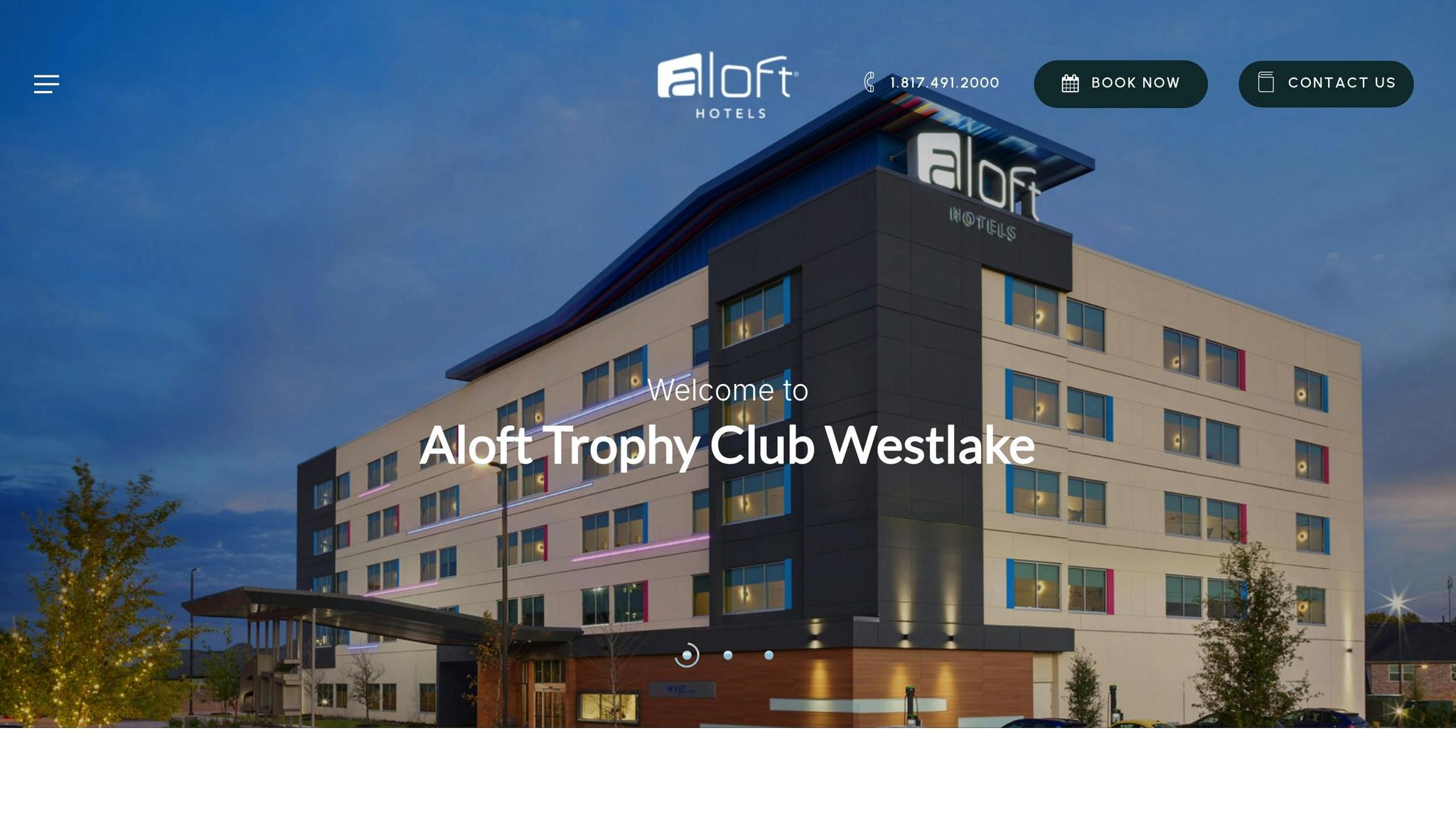
Aloft Trophy Club Westlake in Trophy Club, Texas reimagines meeting spaces as dynamic hubs that cater to both business and leisure travelers. Here’s how its thoughtful design and advanced features create a versatile meeting experience.
Flexible Layouts and Furniture
The Tactic Meeting Room, the hotel’s centerpiece, showcases a design that blends seamlessly with the W XYZ Lounge and the Backyard area. This setup accommodates everything from small team discussions to large corporate gatherings, ensuring a smooth transition between formal and informal spaces.
The room’s modular tables, stackable chairs, and mobile storage make it easy to adjust the layout for various needs. Whether it’s a classroom setup for training, theater seating for presentations, banquet-style dining, or collaborative workshop arrangements, the space transforms in no time to fit the occasion.
Advanced Technology Features
The venue’s networked AV system is designed with adaptability in mind, allowing for easy upgrades to displays or audio components as technology advances without requiring major overhauls. High-definition displays, wireless presentation tools, and integrated audio systems ensure participants can share content effortlessly from any device.
High-speed Wi‑Fi covers the entire property, including the meeting room, lounge, and outdoor areas. Marriott Bonvoy members who book directly enjoy complimentary access, adding an extra layer of convenience.
Additional Amenities
On-site catering simplifies meal planning, while the W XYZ Lounge provides a relaxed environment for networking before or after sessions. Interactive tools like whiteboards and flip charts encourage brainstorming, and eco-conscious furniture options promote a healthier, more sustainable setting.
Located near major corporate offices and local attractions, the hotel is an excellent choice for multi-day events that combine meetings with team-building activities. Extras like free Wi‑Fi, coffee and tea stations, an outdoor pool, and fitness facilities ensure attendees stay comfortable and focused. A dedicated team is always on hand to assist with space reconfigurations, technology setups, and catering needs, making every event run smoothly.
Conclusion: Building Meeting Spaces That Work for Everyone
Designing meeting spaces that work for all boils down to three key ingredients: adaptable layouts, modular furniture, and integrated technology. Together, these elements turn traditional conference rooms into versatile environments that can accommodate any meeting style or group size.
It starts with adjustable layouts - spaces that can quickly shift from a classroom setup for training sessions to a collaborative workshop format. This adaptability matches the fast-paced, ever-changing demands of modern work environments.
Modular furniture is the next piece of the puzzle. It allows users to easily reconfigure the space to suit their needs, whether it’s a brainstorming session or a formal presentation. Finally, technology integration ties it all together. Reliable Wi-Fi and scalable audiovisual systems ensure smooth collaboration, no matter how the room is arranged.
Future-focused meeting spaces also prioritize durable cabling and open technology standards. This approach avoids vendor lock-in and makes upgrades simple, ensuring the space remains functional and relevant for years to come.
A great example of these principles in action is the Aloft Trophy Club Westlake. Its Tactic Meeting Room blends thoughtful design with advanced technology and modular features, creating a space that adapts effortlessly. The venue's ability to combine its Event Space with the W XYZ Lounge and Backyard area showcases how creative planning can support everything from small team discussions to large corporate events. It’s a perfect illustration of how design and technology can work hand in hand.
FAQs
What are the benefits of using modular furniture in flexible meeting spaces?
Modular furniture brings a lot to the table when it comes to creating versatile meeting spaces. Its flexibility lets you quickly adjust layouts to suit various group sizes and meeting styles - whether you're hosting a hands-on workshop or a formal presentation.
Many modular pieces are designed to serve more than one purpose. For instance, tables that include built-in storage or seating options that can be rearranged as needed. This smart design approach not only saves space but also keeps the room looking sleek and professional. By choosing modular furniture, you're setting up meeting spaces that can adapt as your needs change, blending practicality with a forward-thinking approach.
How does integrating technology improve collaboration in hybrid meetings?
Bringing technology into hybrid meeting spaces can greatly improve how teams collaborate, connecting those in the room with remote participants more effectively. Tools such as high-definition video conferencing systems, interactive whiteboards, and top-notch audio equipment help ensure clear communication and a smooth experience for everyone.
Tech-savvy room designs with adaptable layouts and wireless connectivity make it easy for teams to share screens, exchange documents, and brainstorm ideas without hassle. On top of that, using intuitive software platforms can simplify tasks like scheduling, file sharing, and real-time collaboration, leading to more productive and engaging meetings for all participants.
What factors should you consider when selecting a meeting room layout?
When deciding on a meeting room layout, it’s important to match the setup to the purpose of the meeting. For interactive discussions or brainstorming sessions, layouts like U-shaped or boardroom styles work well, as they naturally promote engagement and collaboration. On the other hand, if you’re hosting a presentation or accommodating a larger audience, theater-style seating is often the better choice.
You’ll also want to factor in the size of the space, the number of participants, and the technology needed - like screens, projectors, or video conferencing equipment. Using adjustable furniture or modular setups can make the room more versatile, allowing it to shift seamlessly between different meeting styles.