
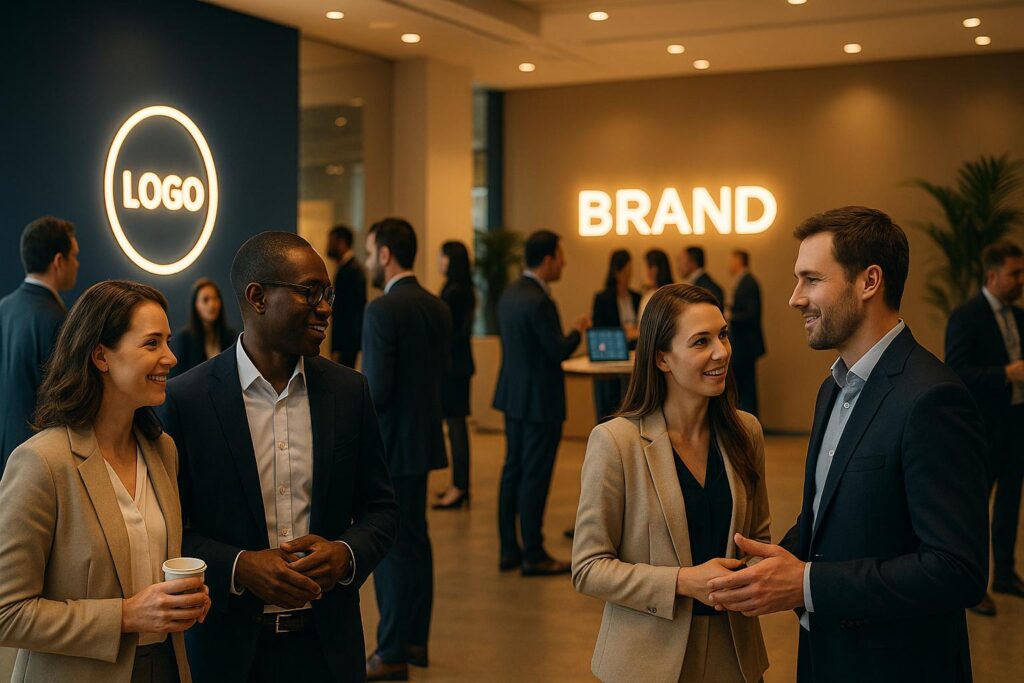
In today’s fast-paced business environment, corporate events are no longer about simply gathering people in a room, presenting updates, and networking over cocktails. They are opportunities to immerse attendees in a brand story, foster meaningful connections, and create memories that last. Monica Jackson, the Chief Experience Curator of Prissy Productions LLC, offers a unique perspective on how blending technology, human-centric design, and strategic planning can turn corporate events into transformative brand experiences.
This article delves into the insights shared by Monica during her discussion on the evolving landscape of experiential marketing, the principles of creating impactful events, and the emerging trends shaping the future of corporate gatherings.
Balancing Technology and Human Connection
Corporate events today demand a delicate balance between technological advancements and human-centric elements. Monica highlights that while Artificial Intelligence (AI) and other tech innovations have revolutionized the industry, they cannot replace the emotional and interpersonal connections that attendees crave.
"Finding a balance of technology and that human aspect really is the perfect mix for immersive events", Monica explains.
This balance manifests in various ways:
- Interactive Technologies: Use tools like AI-driven event apps to allow attendees to customize their schedules or engage in virtual networking.
- Human-Centric Design: Incorporate nostalgic elements and wellness breaks that make people feel seen and valued.
- Flexible Agendas: Move away from rigid event structures and let participants create their own experience, fostering a sense of autonomy.
The goal is to create events that not only engage but also resonate emotionally, ensuring that attendees leave with lasting impressions.
Designing Events for Diverse Audiences
One of the most significant challenges in event planning lies in catering to a diverse audience. Monica emphasizes the importance of considering personality types, such as introverts, extroverts, and neurodivergent individuals, when curating event experiences.
Inclusive Programming Tips:
- Icebreakers and Guided Interactions: Create structured opportunities for networking, such as assigning "connectors" who facilitate introductions.
- Color-Coded Name Tags: Help attendees find their community within large-scale events.
- Mindful Breaks: Incorporate wellness activities, such as meditation or mindfulness sessions, to recharge attendees between sessions.
- Dynamic Activities: Use gamification, group challenges, or interactive installations to encourage participation from all personality types.
By making inclusivity a priority, event planners can break down barriers and ensure that every attendee finds a sense of belonging.
Creating a ‘Return on Experience’ (ROE)
While the success of corporate events is often measured by tangible metrics like leads generated or attendance numbers, Monica introduces the concept of "Return on Experience" (ROE). This approach focuses on the emotional and sensory impact of an event, which ultimately drives brand loyalty and engagement.
Measuring ROE:
- Key Performance Indicators (KPIs): Ask specific questions during feedback surveys that reflect the attendee’s emotional journey, such as, "How did this event make you feel about the brand?"
- Sentiment Analysis: Track attendee reactions and social media mentions to gauge emotional resonance.
- Touchpoint Feedback: Evaluate every step of the attendee journey, from registration to post-event follow-up.
"Emotions become memories, and memories turn into ROI", Monica aptly notes.
By aligning ROE with traditional business metrics, event planners can better demonstrate the long-term value of experiential marketing to stakeholders.
The Role of Corporate Social Responsibility (CSR)
Experiential marketing is increasingly intertwined with purpose-driven initiatives, as brands recognize the value of aligning themselves with meaningful causes. Monica shares how CSR can elevate corporate events by leaving a lasting positive impact on both attendees and the community.
Examples of CSR Integration in Events:
- Donating event florals to senior living facilities instead of disposing of them.
- Repurposing materials, such as textiles and props, by donating them to art schools or non-profits.
- Partnering with local artisans, farmers, and talent to support the economy of the event’s host location.
"CSR is about more than checking a box. It’s about making it part of your company culture", says Monica.
These initiatives not only enhance the event’s impact but also strengthen the company’s reputation as a socially responsible organization.
The Future of Experiential Marketing
The corporate event landscape is undergoing a transformation, driven by trends like wellness integration, sustainability, and immersive technologies. Some key directions Monica sees for the future include:
- Wellness Retreats: Companies are increasingly combining professional development with wellness-focused experiences, such as international retreats.
- Cross-Industry Collaborations: Events now blend lifestyle elements with professional themes, creating opportunities for partnerships across industries.
- Dynamic Annual Events: Planners must surprise attendees with fresh concepts and "wow" factors to keep recurring events exciting and innovative.
Innovation and adaptability are essential in meeting attendee expectations and staying ahead in the competitive world of experiential marketing.
Key Takeaways
- Balance Is Key: Successful events blend cutting-edge technology with human-centric elements to create immersive experiences.
- Inclusivity Matters: Tailor event programming to cater to diverse audiences, including introverts, extroverts, and neurodivergent individuals.
- Focus on ROE: Beyond attendance numbers, prioritize emotional engagement and memorable moments to drive long-term ROI.
- Leverage CSR: Incorporate purpose-driven initiatives, such as sustainability and community impact, to elevate your brand’s authenticity.
- Stay Innovative: Constantly evolve your event design to include new trends like wellness integration, local partnerships, and unique "wow" moments.
Conclusion
Corporate events have evolved into more than just gatherings – they are now a critical touchpoint for building meaningful connections and showcasing brand values. By embracing technology, inclusivity, and purpose-driven strategies, event planners can curate experiences that resonate on a deeper level with attendees.
Monica Jackson and Prissy Productions exemplify how the industry is shifting toward creating not just events, but transformative experiences that leave a lasting impact. Whether you’re planning your next conference, retreat, or brand activation, the principles shared here can guide you in turning your vision into reality.
Source: "How to Transform Corporate Events Into Brand Experiences | The brndBrief Podcast – S2 Ep. 08" – brndMethod Creative Agency, YouTube, Aug 28, 2025 – https://www.youtube.com/watch?v=z575H-OzB24
Use: Embedded for reference. Brief quotes used for commentary/review.
