
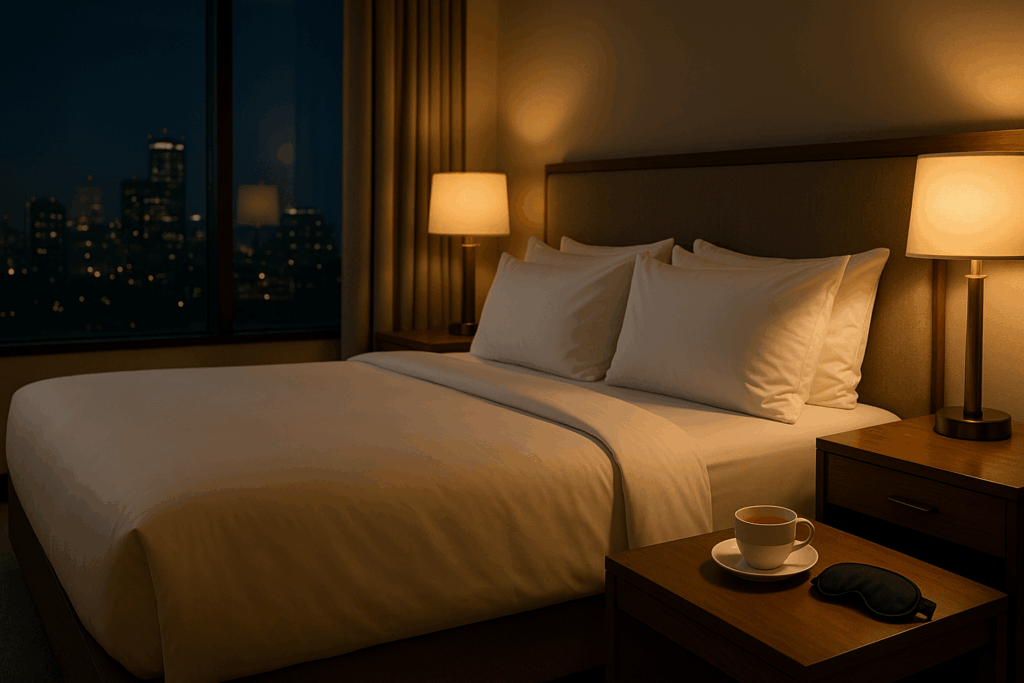
In the fast-paced world of business travel, sleep often takes a back seat, leading to poor performance, stress, and health issues. Hotels are addressing this by introducing sleep-focused programs designed to help travelers rest better and stay productive. These initiatives include:
- Room Features: Blackout curtains, sound-masking systems, and temperature control for optimal rest.
- Sleep Technology: Circadian lighting, sleep monitoring devices, and adaptive mattresses.
- Custom Amenities: Pillow menus, aromatherapy diffusers, and sleep-friendly snacks.
- Wellness Activities: Yoga, guided meditation, and pre-sleep massages to combat jet lag and stress.
Hotels like Aloft Trophy Club Westlake are setting the standard with tailored solutions for business travelers, combining comfort with wellness-focused services. For companies, investing in these programs can improve employee satisfaction, performance, and overall well-being, creating a win-win scenario for both businesses and hotels.
Research Findings on Sleep and Productivity
Sleep and Employee Well-Being
Getting quality sleep isn’t just about feeling refreshed – it’s a cornerstone of both mental and physical health. This is especially important for business travelers, who often face disrupted routines and unfamiliar environments. Lack of sleep can lead to anxiety, depression, and even interfere with the body’s natural processes like tissue repair and hormonal balance during deep sleep. Keeping a consistent sleep schedule can boost physical resilience, helping travelers stay healthy even when on the move.
Restorative sleep also plays a big role in managing stress. When you’re well-rested, you’re better equipped to handle pressure, regulate emotions, and think clearly. For corporate travelers, who often navigate high-stakes meetings or negotiations, these benefits are essential.
Hotels that prioritize sleep-friendly environments – think blackout curtains, temperature controls, and noise-reduction features – can make a huge difference. These thoughtful touches help guests achieve deep, restorative sleep, which not only recharges the body but sharpens the mind. The result? Better performance and a more productive day ahead.
Sleep and Workplace Performance
The link between quality sleep and workplace performance is clear. A good night’s rest strengthens critical cognitive functions like decision-making, memory, and problem-solving – all of which are crucial for business travelers aiming to make an impact in meetings and presentations.
Sleep also improves focus and reduces errors. Employees who get consistent, restful sleep are more likely to stay sharp and deliver high-quality work. This doesn’t just elevate individual performance – it boosts overall productivity across teams.
Companies that prioritize sleep wellness often see happier, more loyal employees. Business hotels offering sleep-focused amenities ensure travelers wake up feeling energized and ready to tackle the day, creating a ripple effect that enhances workplace performance and satisfaction.
Sleep Tourism Trends: How Luxury Hotels Help Guests Rest | INSPIRE Luxury Hospitality Conference



Hotel Sleep Programs: Methods and Tools
Hotels are stepping up their game to help business travelers get better rest by incorporating advanced sleep-focused technology and personalized amenities. These efforts go beyond the usual hospitality offerings, recognizing how crucial quality sleep is for productivity and overall well-being.
In-Room Sleep Technology
Modern hotels are using smart technology to create an ideal sleep environment. A standout feature is circadian lighting, which adjusts throughout the day – cool tones in the morning to promote alertness and warm hues in the evening to encourage melatonin production for better sleep.
To tackle noise disruptions, many hotels have installed sound-masking systems that play soothing sounds like rainfall or ocean waves. Some even go further by adding acoustic treatments to minimize outside noise, creating a peaceful, cocoon-like atmosphere.
For guests interested in tracking their sleep, contactless monitoring devices are becoming more common. These gadgets measure heart rate, breathing, and movement to provide insights into sleep quality. On top of that, dual-zone climate systems and temperature-adaptive mattresses let guests fine-tune their room’s comfort to suit their preferences.
Custom Sleep Amenities
Hotels are also offering tailored sleep amenities to meet individual needs. For example, pillow menus let guests choose from options like memory foam or buckwheat pillows for the perfect fit.
To ensure complete darkness, motorized blackout shades and high-quality window treatments are standard in many rooms. Some properties even provide sleep masks made from soft, breathable materials like silk or bamboo for added comfort.
For a touch of relaxation, in-room diffusers offer personalized aromatherapy, with scents like lavender to calm the mind, eucalyptus to refresh, or chamomile to ease stress. And for a natural sleep boost, curated drink and snack menus often include options like tart cherry juice or almonds, which are known to promote sleep.
Wellness Activities for Better Sleep
Beyond the room, hotels are introducing wellness activities to help guests unwind after a long day. Guided yoga nidra sessions are particularly helpful for easing the effects of time zone changes and travel fatigue.
For deeper relaxation, pre-sleep massages with gentle techniques are available on-site. Guests can also access guided meditation sessions, either in their rooms or through apps, to reduce stress and jet lag.
Evening fitness offerings like restorative yoga, light stretching, and breathing workshops are designed to release tension and prepare the body for restful sleep. These activities work hand-in-hand with in-room technologies to ensure guests wake up refreshed and ready for the day ahead.
Benefits of Sleep Programs for Corporate Travelers and Companies
Building on strategies that promote better sleep, these programs offer tangible advantages for both business travelers and the organizations they represent.
Impact on Employee Satisfaction and Performance
When hotels incorporate features like in-room sleep technologies and personalized amenities, the results often speak for themselves: better sleep leads to sharper focus and greater satisfaction for employees. Wellness programs that emphasize quality rest during travel can significantly enhance a traveler’s well-being. Restorative sleep not only boosts alertness but also helps combat the exhaustion that often comes with business trips. By fostering an environment that supports restful nights, hotels play a key role in preparing travelers to perform at their best during work-related activities. These individual improvements naturally ripple out, benefiting the organization as a whole.
Company Benefits from Wellness Investments
When companies weave sleep wellness into their travel policies, they’re likely to see real benefits. Better sleep helps employees handle the stress and fatigue of travel more effectively, leaving them feeling appreciated and supported. This emphasis on well-being can strengthen workplace morale and even aid in retaining top talent. By focusing on initiatives that prioritize rest, organizations not only enhance employee performance but also build a more positive and engaged company culture.
sbb-itb-1e56dfa
Adding Sleep Wellness to Business Hotel Services
Business hotels are increasingly recognizing the importance of sleep wellness as a way to stand out in a crowded market. With corporate wellness programs expanding beyond the office, hotels are stepping in to help business travelers combat the sleep challenges that often come with being on the road.
Travel can easily throw off a person’s sleep routine. Unfamiliar surroundings, jet lag, and varying personal preferences all play a role in disrupting rest. To address these challenges, many hotels are focusing on sleep-friendly services that cater to individual needs. By doing so, they aim to provide guests with a more rejuvenating stay, even when they’re far from home.
Tailored Sleep Solutions for Travelers
Acknowledging that no two guests are alike, hotels are moving away from cookie-cutter solutions and embracing personalized sleep experiences. This includes adjusting room features like lighting, temperature, and ambient noise to create a calming atmosphere. Many hotels are also actively seeking feedback from guests to fine-tune their services, ensuring frequent travelers feel supported and well-rested during their stay.
Example: Aloft Trophy Club Westlake‘s Approach to Sleep Wellness
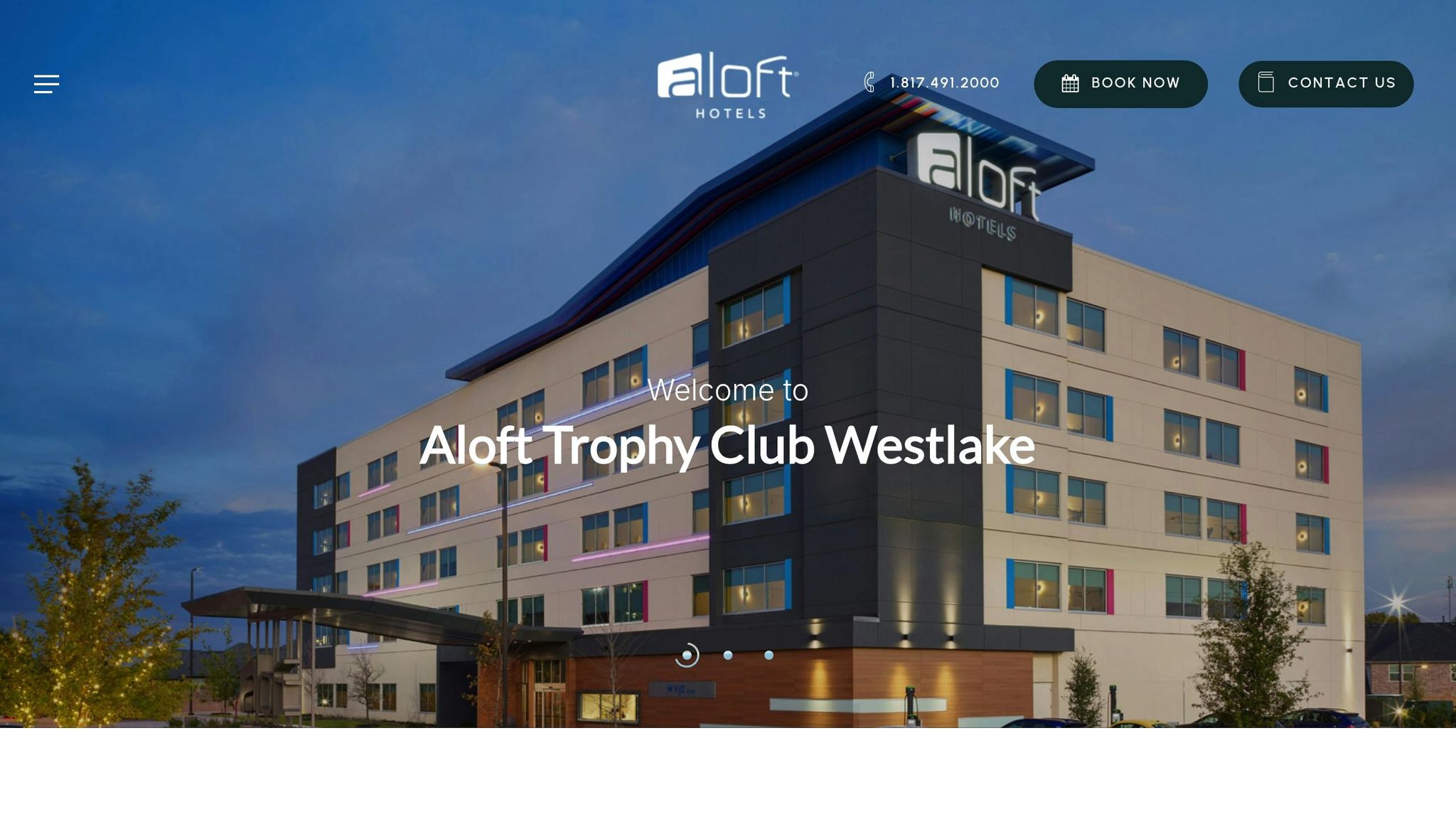
Aloft Trophy Club Westlake offers a great example of how hotels are incorporating sleep wellness into their services. Designed with business travelers in mind, the hotel provides spacious rooms – 285-square-foot king and 330-square-foot double queen options – equipped with 55-inch LCD TVs, mini-fridges, and coffee/tea makers. These amenities are thoughtfully selected to help guests establish a sense of comfort and routine.
The hotel goes beyond the basics by offering a fitness center and outdoor pool, giving guests opportunities to stay active – a key factor in promoting better sleep. Conveniently located in Trophy Club, Texas, near corporate offices, Aloft Trophy Club Westlake is well-suited to meet the needs of traveling professionals. Guests can relax at the W XYZ Lounge or conduct business in the Tactic Meeting Room, which features state-of-the-art technology. This separation of work and leisure spaces ensures that guests can focus on productivity during the day and unwind in the evening.
Conclusion: The Role of Sleep Programs in Corporate Wellness
Sleep programs are playing a key role in corporate wellness, especially for business travelers. Research consistently shows that quality sleep has a direct impact on employee performance, decision-making, and job satisfaction. For companies, this makes investing in sleep wellness a smart move.
Hotels that act on these findings are gaining an edge. By focusing on sleep wellness, they’re becoming key allies in corporate health initiatives. Features like fitness centers, restful room designs, and dedicated areas for relaxation separate from workspaces help minimize the sleep disruptions that often come with travel. The result? Employees return to work energized and productive, while companies benefit from better performance and lower healthcare costs.
Some hotels are taking this a step further by offering tailored solutions. For example, Aloft Trophy Club Westlake demonstrates how thoughtful design can support healthier sleep. With spacious rooms and clearly defined zones for work and leisure, the property aligns with natural sleep patterns, creating a more restful experience for guests.
As corporate wellness priorities continue to evolve, partnerships between businesses and sleep-focused hotels are likely to grow. These programs not only enhance individual well-being but also contribute to measurable improvements in productivity and outcomes for both companies and the hospitality industry.
The takeaway is simple: sleep programs in hotels create a win-win scenario, benefiting employees, employers, and the hotels themselves.
FAQs
How do hotel sleep programs benefit business travelers compared to standard stays?
Sleep Programs in Hotels: A Restful Solution for Business Travelers
Hotels are increasingly tailoring their offerings to help business travelers get the rest they need to stay sharp and productive. These sleep-focused programs often include thoughtful touches like aromatherapy, blackout curtains, and noise-reducing features to create an environment that promotes deep, uninterrupted sleep. Some go the extra mile by providing services such as relaxing massages or specialized sleep-enhancing amenities designed to combat the fatigue that often comes with travel.
By emphasizing the importance of quality sleep, these initiatives aim to ease stress, boost overall well-being, and leave guests feeling recharged and ready for their work commitments. After all, a well-rested traveler is more likely to stay focused and perform at their best during meetings, conferences, or other professional events.
What amenities and technologies do hotels use in sleep programs to improve rest and boost productivity?
Hotels with sleep programs are stepping up their game by offering modern amenities and technologies designed to help guests get better rest. Think blackout curtains to block out unwanted light, circadian lighting systems that sync with your body’s natural rhythms, high-tech mattresses for optimal comfort, and ambient sound machines to create a serene atmosphere. Some even go a step further with wearable devices that track your sleep and provide tailored insights.
The goal? To ease stress, improve sleep quality, and support recovery. This not only helps guests feel more refreshed and productive but also promotes better health. By focusing on creating restful spaces, these hotels ensure a more balanced and restorative travel experience.
What are the benefits of focusing on sleep wellness for employees during business trips?
Focusing on getting quality sleep during business trips can have a big impact on both employee performance and overall well-being. When employees get enough rest, they experience better alertness, concentration, and problem-solving abilities, which naturally leads to higher productivity and fewer mistakes. Plus, proper sleep helps them handle stress more effectively and stay resilient in high-pressure situations.
For employers, encouraging sleep wellness brings its own set of benefits. It can cut down on absenteeism, reduce healthcare expenses, and create a more engaged and driven workforce. In the end, it’s a win for everyone – employees feel and perform better, and organizations see stronger results.