
Business travelers often overlook the value of blending work with local experiences. But attending events that combine professional networking with local customs can offer you more than just connections. These events help you understand local business practices, avoid cultural missteps, and build stronger relationships – all while enhancing your personal growth.
Here’s what you need to know:
- Why They Matter: Gain insights into local business etiquette and communication styles, essential for success in global markets.
- Preparation Tips: Register 4–6 weeks ahead, confirm dress codes, and research local customs to avoid faux pas.
- Travel Tips: Stay close to event venues, use ride-sharing apps, and plan for airport transfers to maximize efficiency.
- Accommodation: Choose hotels with business-friendly amenities like WiFi, meeting spaces, and proximity to events.
Example: Aloft Trophy Club Westlake in Texas is a great option for business travelers, offering modern rooms, meeting spaces, and easy access to local attractions.
Planning and Preparing for Events
Key Considerations for Event Participation
Getting the logistics right is the foundation for a successful event experience. Registration deadlines for cultural business events often require more lead time than typical conferences. Many of these events mandate registration 4–6 weeks in advance, especially when they include visits to local businesses or government facilities that necessitate security clearances.
Dress codes can vary widely depending on the local business culture and the type of event. A formal business suit is usually the go-to for networking events, but some activities, like tours of manufacturing facilities or outdoor cultural sites, call for business casual attire – think comfortable clothing and closed-toe shoes. Be sure to confirm the dress code for each day to avoid any missteps.
Being mindful of local customs and protocols is equally important. For example, some cultures expect you to exchange business cards with both hands, while others have specific greeting styles or conversational taboos. To avoid unintentional faux pas, take advantage of pre-arrival briefings or cultural orientation materials that some events provide.
Documentation requirements may extend beyond a passport and visa. Visits to places like corporate headquarters or government buildings often require additional identification or prior security clearance. Make sure to submit all necessary documents at least two weeks before your trip to avoid delays.
Once these key elements are sorted, turn your attention to accommodations that balance work needs and relaxation.
Travel and Accommodation Tips for Business Travelers
Where you stay can significantly impact your event experience. Proximity to event venues is a top priority, especially for multi-day events with early starts. But convenience alone isn’t enough – your accommodation should also cater to your professional needs.
Look for hotels with business-friendly amenities like high-speed WiFi for staying connected, and on-site meeting spaces or business centers where you can make calls or prepare presentations. For example, Aloft Trophy Club Westlake caters to business travelers with modern guest rooms, free WiFi, and dedicated workspaces. Complimentary coffee and tea services are a bonus for those early morning prep sessions.
After long days of networking, stress-relief options like fitness centers and outdoor pools can help you recharge. Many business travelers find that keeping up with their exercise routine not only helps with jet lag but also keeps them sharp for the next day.
On-site restaurants and bars add convenience, offering spaces for informal business discussions or unwinding after formal events. At Aloft Trophy Club Westlake, the W XYZ Lounge provides a relaxed setting for continuing conversations without the hassle of finding a venue in an unfamiliar city.
With accommodations sorted, the next step is planning transportation to keep your schedule running smoothly.
Making Transportation Arrangements
Transportation logistics for cultural business events can be more complex than for standard conferences. These events often involve multiple venues, including corporate offices, cultural landmarks, and networking sites. Thoughtful planning ensures you minimize stress and make the most of your time.
Set up ride-sharing apps ahead of your trip to save time and avoid last-minute delays. Having backup options, like a reliable local taxi service arranged through your hotel concierge, can be a lifesaver when ride-sharing isn’t feasible due to surge pricing or availability issues.
If renting a car, consider local driving norms and parking availability. For events in suburban areas or cultural sites outside the city, a rental car might be necessary. However, navigating unfamiliar streets and finding parking in busy districts can consume valuable time, so plan accordingly.
Public transportation can be an efficient and cost-effective choice, but it requires a bit of preparation. Research routes and schedules in advance, and consider business traveler transit passes for unlimited rides and priority boarding. Download transit apps and offline maps to ensure you’re covered.
When it comes to airport transfers, pre-booking is essential, especially if you’re on a tight schedule. Many travelers prefer private car services for their reliability and familiarity with local traffic patterns. Always build in a 15–30 minute buffer for each trip to account for unexpected delays. This extra time also gives you a chance to gather your thoughts and review any last-minute materials before arriving at your event venue.
Understanding Local Differences and Etiquette
Understanding Local Customs and Protocols
Getting familiar with local customs is key when attending cultural immersion events, especially if your goal is to build meaningful professional connections. Communication styles can differ widely across regions. For instance, while Asian cultures often lean toward indirect communication to avoid conflict, German business culture values straightforward and efficient exchanges.
Non-verbal communication is just as important as what’s being said. Take eye contact, for example: in the U.S., steady eye contact is a sign of confidence, but in some parts of Asia or the Middle East, it might come across as overly assertive. Similarly, personal space expectations vary – what feels normal in one culture might seem intrusive or distant in another.
Time management is another area where cultural values shine through. In Switzerland and Germany, punctuality is non-negotiable, while in many Latin American and African countries, relationship-building often takes precedence over sticking to a rigid schedule.
Navigating gift-giving protocols can also be tricky. For example, in Chinese culture, avoid wrapping gifts in white, as it’s associated with mourning. Similarly, steer clear of pig leather gifts in Islamic contexts.
Lastly, hierarchy and authority play a significant role in shaping how business events unfold. In many Asian cultures, respecting seniority is crucial, so it’s wise to let senior figures lead discussions. Understanding these nuances can make all the difference in fostering strong professional relationships.
Tips for Avoiding Common Mistakes
To steer clear of cultural missteps, consider these practical strategies. Do your homework before you arrive. Spend time researching the local etiquette, including greeting styles, how to exchange business cards, and which conversation topics to avoid. Assuming that your home country’s norms apply everywhere can lead to awkward or even offensive situations.
When in doubt, observe before jumping in. Pay attention to how locals interact during the first few hours of an event. Notice their body language, greeting habits, and conversational cues. This approach helps you adapt without drawing attention to any missteps.
Don’t hesitate to ask for guidance from local colleagues or event organizers. A simple question like, “How should I address your CEO during the presentation?” shows respect and a willingness to learn, which is often appreciated.
Keep business cards handy and learn how to exchange them properly for the region you’re visiting. In Japan, for example, business cards are presented and received with both hands, then carefully examined before being placed on the table. Tossing a card into your pocket without a glance can come across as dismissive. And always bring extra cards – you don’t want to run out during a networking event.
Learning basic greetings and phrases in the local language can go a long way. Even if the business is conducted in English, knowing how to say “hello,” “thank you,” or “excuse me” shows effort and respect. Just avoid diving into complex discussions in a language you’re not fluent in, as misunderstandings could lead to bigger issues.
Finally, build in buffer time between meetings. In cultures where personal connections are a priority, rushing from one appointment to the next can seem rude. Extra time not only allows for meaningful conversations but also gives you a chance to process cultural subtleties and adjust your approach for upcoming interactions.
The Value of Participating in Local Events
Professional Advantages of Local Participation
Getting involved in local events during business trips can open doors you might not find in formal settings. Picture this: you’re enjoying a meal at a local festival or chatting about art at a gallery opening. These relaxed environments make networking feel more natural, helping conversations flow in ways that typical business meetings rarely allow.
Beyond networking, immersing yourself in local culture provides valuable insights into market dynamics. Observing how people celebrate, what they prioritize, and how they interact offers a deeper understanding of the community. This kind of firsthand experience can inform your business strategies, helping you make decisions that resonate with local values. Plus, it reduces unconscious bias, making your interactions more inclusive and respectful.
These experiences also build trust and strengthen communication skills. By engaging directly with local traditions, you enhance your ability to navigate cultural nuances, from interpreting non-verbal cues to adjusting your communication style. In an increasingly interconnected world, these skills are essential for fostering strong global partnerships and operating effectively across diverse markets.
But the benefits don’t stop at professional growth – they extend into personal development as well.
Personal Growth and Development
Local events aren’t just about leisure; they’re windows into new worlds. Taking a break from your routine to explore local traditions can be deeply enriching. These experiences often lead to greater self-awareness, as they expose you to different ways of thinking and living.
They also nurture empathy. Experiencing the struggles, celebrations, and traditions of others firsthand helps dismantle stereotypes and replace them with genuine understanding. This emotional growth can strengthen both personal and professional relationships, making you more attuned to the needs and perspectives of others.
Cultural events can even spark creativity. Workshops, performances, and lectures often inspire new ideas, which can translate into innovative solutions in your professional life. This creative boost is a hidden gem that many professionals discover through cultural engagement.
On a more personal level, participating in local activities is a great way to reduce stress. Whether you’re enjoying a lively festival or a quiet art exhibit, these moments of joy and connection can alleviate anxiety and improve your overall mental health. For frequent travelers, these experiences also combat feelings of loneliness by providing opportunities to build social connections.
Engaging with local cultures fosters a sense of global citizenship. It challenges you to reflect on your biases, embrace new perspectives, and develop a broader understanding of humanity. Over time, this leads to greater confidence in navigating unfamiliar situations, whether you’re adapting to new traditions or tackling unexpected challenges.
The adaptability you gain through these experiences is invaluable. Learning to appreciate and participate in different cultures not only enriches your travels but also equips you to handle change in other areas of life. This mindset can influence everything from how you approach business decisions to the way you choose accommodations during your trips. It’s a skill set that pays dividends both personally and professionally.
sbb-itb-1e56dfa
Choosing the Right Accommodation for Events
Required Amenities for Business Travelers
When it comes to business travel, your choice of accommodation can make or break your trip. A well-selected hotel not only boosts your productivity but also enhances your ability to engage with the local culture. Think of it as your base of operations, where everything you need to balance work and exploration comes together.
Fast and reliable WiFi is a must-have. Whether you’re coordinating with your team, researching local customs, or checking in with the home office, sluggish internet can throw a wrench in your plans.
Flexible meeting spaces equipped with modern tools like projectors, whiteboards, and audio-visual systems are essential. These spaces should be available beyond the usual business hours, offering a quiet spot for presentations, virtual meetings, or post-event discussions.
On-site dining options are another key feature. After a long day of cultural activities or business meetings, the last thing you want is to hunt for a meal. A good hotel restaurant or café saves time and ensures you’re well-fed and ready for the next day.
Don’t overlook fitness facilities and other recreational features. Whether it’s shaking off jet lag or keeping your energy up during a packed schedule, having access to a gym or pool can make all the difference.
Finally, a convenient location is critical. Staying close to both business venues and cultural hotspots cuts down on travel time and costs, ensuring you can focus on what matters most – seamlessly blending work with cultural experiences.
Aloft Trophy Club Westlake: Modern Comfort and Convenience
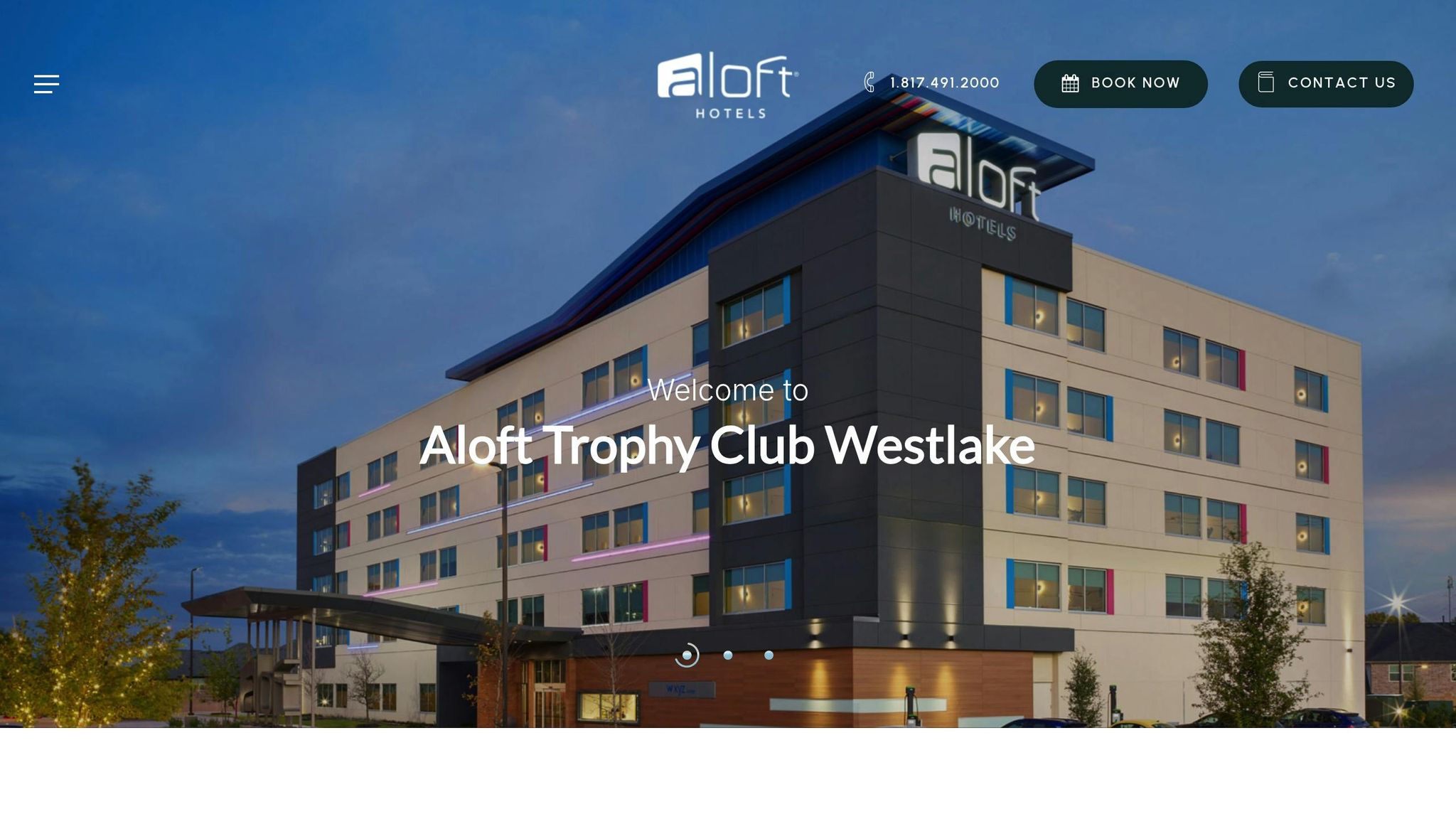
If you’re looking for a hotel that checks all these boxes, the Aloft Trophy Club Westlake in Trophy Club, Texas, is a standout example. This contemporary property is designed with the needs of business travelers in mind, offering a perfect mix of functionality and comfort.
The guest rooms are thoughtfully equipped with complimentary WiFi, 55-inch LCD TVs, and coffee and tea makers, ensuring you can kickstart your mornings productively. With room options ranging from 285-square-foot king rooms to 330-square-foot configurations with two queen beds, there’s space to suit both solo travelers and groups.
For work-related needs, the Tactic Meeting Room is a dedicated space outfitted with high-speed WiFi and advanced audio-visual equipment. Whether you need to prepare for a presentation or hold an impromptu meeting, this room has you covered.
After hours, the W XYZ Lounge offers a relaxed setting for networking or simply unwinding. It’s the perfect spot to meet local contacts or reflect on cultural experiences over a drink after a gallery opening or business dinner.
The hotel also features an outdoor pool and a fitness center, ensuring you can maintain your routine even during a busy trip. An on-site convenience store makes it easy to grab essentials, freeing up more time for exploring the area.
What truly sets Aloft Trophy Club Westlake apart is its prime location, which keeps you close to corporate offices and cultural attractions. This means you can transition effortlessly between professional commitments and local experiences. For groups, the hotel offers flexible event spaces and group room bookings, making it an excellent choice for team-building activities that incorporate the local culture.
Plan Authentic Corporate Events That Go Beyond the Ballroom
Conclusion: Making the Most of Your Event Experience
Attending cultural events offers business travelers a unique chance to network while gaining a deeper understanding of local customs. By combining thoughtful planning with cultural awareness, you can turn event participation into a meaningful experience that goes beyond professional obligations.
Careful preparation and respect for local etiquette not only help you avoid potential missteps but also pave the way for stronger connections. When you show genuine interest in the culture and traditions of the place you’re visiting, you’re doing more than attending an event – you’re building relationships that could have a lasting impact on your career.
Take accommodations, for example. Staying at places like Aloft Trophy Club Westlake can elevate your event experience. These properties cater to the needs of modern business travelers, offering more than just a comfortable bed. They provide a convenient base that supports both your professional goals and your desire to experience the local culture.
Choosing accommodations close to event venues minimizes travel stress and maximizes your time for meaningful interactions. This proximity not only allows for spontaneous networking but also gives you the freedom to engage more deeply with the local community – something that’s hard to do when you’re constantly rushing from one place to another.
When you blend strategic planning with cultural sensitivity – focusing on essentials like local customs and well-located accommodations – you create a well-rounded travel experience. This approach not only enhances your professional network but also enriches your personal growth.
FAQs
How can business travelers balance work responsibilities with enjoying local culture during trips?
Business travelers can strike a balance between work and experiencing the local flavor by weaving community and cultural activities into their schedules. This could mean grabbing a meal at a neighborhood eatery, exploring a historical site during downtime, or even joining a local workshop or event. These moments not only enrich the trip but also create personal connections, all without interfering with work commitments.
Where you stay matters, too. Opt for accommodations that cater to both business and leisure. Take Aloft Trophy Club Westlake, for example – it provides modern conveniences like event spaces while being close to local attractions, making it easier to mix productivity with exploration. With a bit of planning and a flexible mindset, you can make the most of your trip on both professional and personal fronts.
What cultural mistakes should business travelers avoid when attending local events in the U.S.?
When attending events in the U.S., business travelers should keep a few cultural norms in mind to help things go smoothly. For starters, respecting personal space is a big deal – Americans typically prefer about an arm’s length of distance when chatting. It’s also worth remembering that punctuality is highly valued. Showing up on time, or even a few minutes early, is a good way to make a positive impression.
One thing that might catch visitors off guard is tipping etiquette. At restaurants, leaving a tip of 15-20% is the norm, and service staff like bartenders or hotel employees also appreciate tips for their efforts. Another important cultural habit is small talk. Casual conversations about neutral topics are a common way to break the ice, and Americans tend to favor direct but polite communication. Keeping these tips in mind can make your interactions more enjoyable and respectful during your time in the U.S.
How can attending local cultural events benefit business travelers both professionally and personally?
Attending local events during business trips offers a great way to strengthen professional relationships. By engaging in these activities, you show an understanding and respect for local customs, which can open doors to more meaningful interactions. These shared experiences often help build trust and collaboration – key ingredients for successful partnerships.
On a personal note, immersing yourself in these activities adds depth to your journey. It broadens your perspective, enhances your flexibility, and nurtures a deeper appreciation for different traditions. Beyond just making the trip more enjoyable, it sharpens skills like empathy and open-mindedness, which can leave a lasting impression both personally and professionally.